

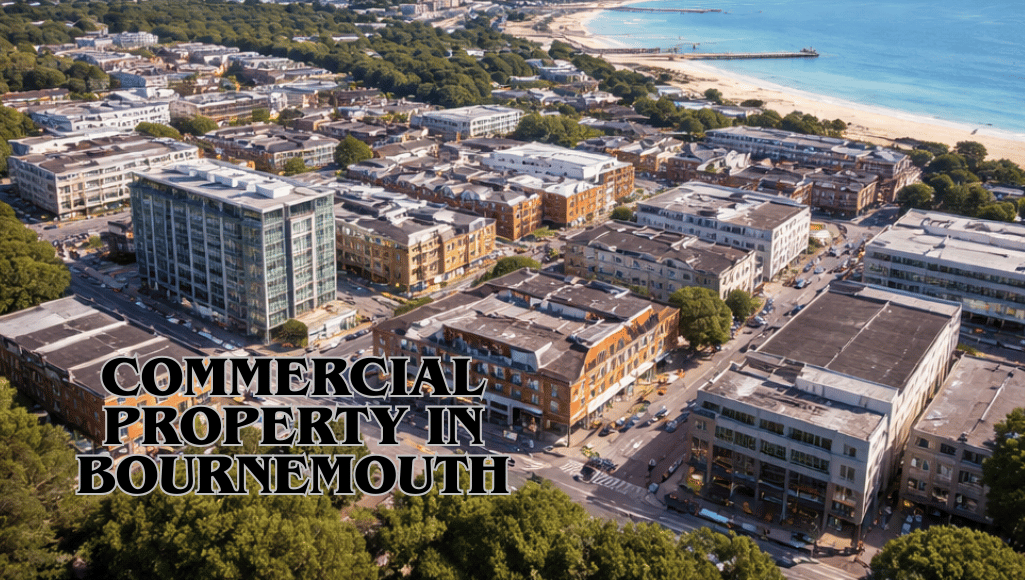
Bournemouth, a bustling coastal town on England’s south coast, has emerged as one of the most attractive destinations for commercial property investment. Known for its golden beaches, vibrant tourism, and thriving local economy, the town offers a unique blend of lifestyle appeal and business potential.
From bustling high streets to modern office spaces and industrial hubs, commercial property in Bournemouth provides investors with diverse opportunities to generate rental income and benefit from long-term capital growth.
Whether you’re a first-time investor or a seasoned property owner, understanding the market trends, investment potential, and rental yields is key to making smart, profitable decisions in this dynamic town. This comprehensive guide will equip investors with the insights needed to make informed choices.
| Category | Key Points | Typical Rental Yield |
| Retail Spaces | Shops, high street stores, and shopping centers, high footfall areas, make commercial property in Bournemouth highly attractive for investors. | 5%–7% |
| Office Spaces | Capital growth, tenant demand, location, and lease structure | 4%–6% |
| Industrial Units & Warehouses | Light industrial, storage, logistics; low management | 6%–8% |
| Hospitality & Leisure | Hotels, restaurants, pubs; tourism-driven, seasonal fluctuations | 5%–9% |
| Investment Insights | Capital growth, tenant demand, location, and lease structure | Varies |
| Buying Tips | Market research, professional advice, property inspection, and financial assessment | – |
| Common Mistakes | Overestimating income, ignoring maintenance, poor location, and lease issues | – |
What is commercial property in Bournemouth?
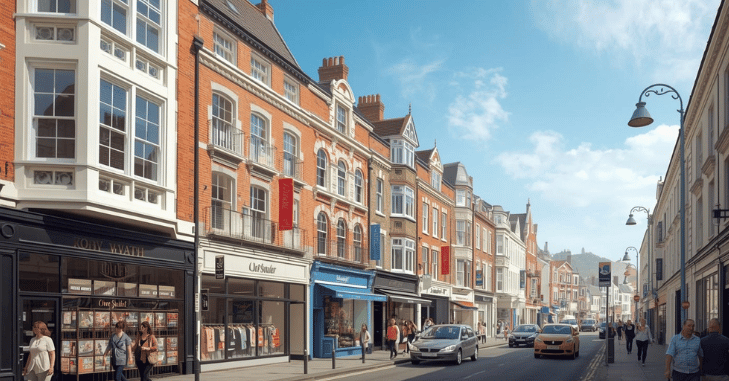
Commercial property in Bournemouth refers to business-focused real estate, including retail spaces, offices, industrial units, and hospitality venues. The town offers unique advantages that attract investors from across the UK and beyond.
Its growing economy, robust infrastructure, and high-quality lifestyle make Bournemouth an ideal destination for businesses and entrepreneurs, which drives strong demand for commercial spaces.
Key factors such as a strategic location near London, Southampton, and South Coast ports; a thriving tourism sector with beaches, festivals, and hotels; a growing business ecosystem of SMEs and tech startups; and the town’s lifestyle appeal all contribute to high occupancy rates and long-term value.
Types
Retail spaces in Bournemouth include shops, high street stores, and shopping centers. These properties benefit from high footfall areas, particularly near the town center and popular tourist hotspots. Retail spaces are ideal for local businesses, franchises, and established retail chains, offering opportunities for consistent rental income and strong visibility.
Office Spaces
Office spaces encompass serviced offices, co-working spaces, and traditional office buildings. Demand is driven by professional services, startups, and tech firms looking for flexible working environments. These properties often offer adaptable lease terms, allowing businesses to scale operations easily, making them a popular choice for investors targeting stable, long-term tenants.
Industrial Units and Warehouses
Industrial units and warehouses include light industrial facilities, storage spaces, and logistics hubs. Demand for these properties is increasing due to the growth of e-commerce and distribution needs. Compared to retail properties, industrial units typically require lower management and maintenance, making them an attractive option for investors seeking steady returns with minimal oversight.
Hospitality and Leisure
Hospitality and leisure properties cover hotels, restaurants, pubs, and entertainment venues. These investments benefit directly from Bournemouth’s strong tourism sector and event calendar. While seasonal fluctuations may impact rental yields, peak periods offer strong opportunities for profit, especially in well-located and high-quality establishments.
Market Trends in Bournemouth Commercial Property
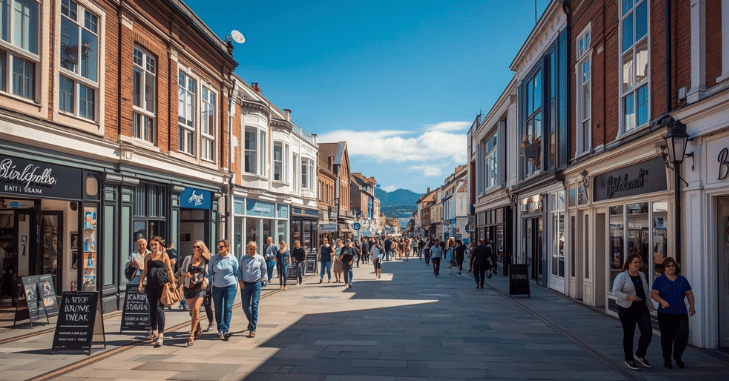
Keeping up with market trends allows investors to make strategic decisions based on current conditions and future projections.
Current Trends
- Steady Rental Growth: Commercial rents, particularly in retail and office sectors, have seen gradual increases over the past five years.
- High Demand for Flexible Workspaces: Co-working spaces and serviced offices are gaining popularity, reflecting shifts in business operations.
- Tourism-Driven Retail: High Street shops and hospitality venues continue to benefit from Bournemouth’s strong tourism sector.
- Investment from Outside the Region: Investors from London and other UK cities are increasingly targeting Bournemouth due to competitive property prices compared to the capital.
- Regeneration Projects: Development initiatives, including waterfront redevelopment and town center improvements, are enhancing property values and rental potential.
Investment Insights for Bournemouth Commercial Property
- Capital Appreciation Potential: Well-located commercial properties in Bournemouth have shown consistent capital growth due to limited supply and high demand.
- Tenant Demand: Focus on properties with strong tenant demand and stable income streams to reduce vacancy risks.
- Lease Structures: Long-term leases with reputable tenants provide predictable income, while shorter leases may offer flexibility but carry higher turnover risk.
- Location Importance: Town center locations, near transport hubs or tourist areas, generally yield higher returns.
Rental Yields
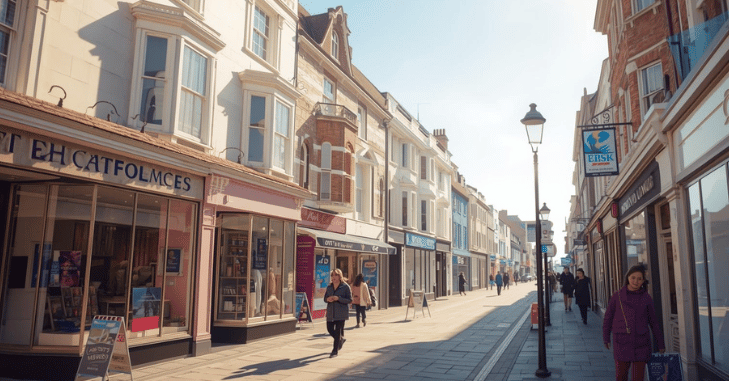
Rental yield is a critical metric for evaluating commercial property investments. It represents the return on investment relative to property value.
Average Yields by Property Type
- Retail Spaces: 5%–7% gross yield depending on location and footfall.
- Office Spaces: 4%–6% gross yield; flexible workspaces may offer higher returns.
- Industrial Units: 6%–8% gross yield, often with long-term tenants.
- Hospitality & Leisure: 5%–9% gross yield, but seasonal fluctuations may affect net income.
Factors Affecting Rental
- Property location and accessibility.
- Tenant stability and lease length.
- Property condition and age.
- Local market demand and economic trends.
Investors should always calculate potential yields, consider management costs, and compare returns against alternative investment opportunities.
Tips for Buying
Navigating the commercial property market requires strategic planning and informed decision-making. Key tips for investors include:
Research the market thoroughly.
Understand the local economy, property demand, and future development plans to make informed decisions when investing in commercial property in Bournemouth.
Hire Professional Advisors
Engage property agents, surveyors, and legal experts who specialize in Bournemouth commercial property to ensure accurate guidance and smooth transactions.
Inspect Properties Carefully
Evaluate the structural integrity, maintenance requirements, and compliance with building regulations before committing to a purchase.
Assess Financial Viability
Calculate expected rental income, yield, and potential capital growth to ensure the property aligns with your investment goals.
Consider lease agreements
Examine tenant covenants, lease lengths, and break clauses to understand the stability and potential risks of rental income.
Factor in Additional Costs
Include stamp duty, legal fees, insurance, and maintenance in your investment plan to avoid unexpected expenses.
Common Mistakes to Avoid
- Overestimating rental income and yields.
- Ignoring maintenance and refurbishment costs.
- Purchasing in low-demand locations.
- Neglecting lease agreements and tenant reliability.
- Failing to consider market trends and future developments.
Conclusion
Commercial property in Bournemouth presents a compelling investment opportunity for both new and experienced investors. The town’s thriving tourism sector, growing business ecosystem, and strategic location create high demand for retail, office, industrial, and hospitality spaces, supporting strong rental yields and potential capital growth.
By carefully analyzing market trends, assessing rental income potential, selecting the right property type, and following expert buying tips, investors can make informed decisions that maximize returns.
Avoiding common mistakes, performing thorough due diligence, and leveraging professional advice ensure that any commercial property investment in Bournemouth delivers long-term value, steady income, and portfolio diversification.
Want to know about The Ultimate Guide to Fiber Cement Siding Installation: Essential Materials, Step-by-Step Techniques, Expert Tips, Cost Considerations, and Maintenance Advice for Homeowners Check out our Real Estates category.
FAQs
For buy-to-let investors, Bournemouth town center offers a dynamic and changing environment.
With 130 violent crimes reported in just six months, the middle of Bournemouth’s town center is the area with the highest crime rate.
Lifestyle and Activities. One of the most stunning coasts in the UK is accessible to residents in Bournemouth.
The non-British-born population in Bournemouth’s local authority increased by 47% between the 2011 and 2021 censuses, and UK net migration has continued to rise sharply ever since.